View Workshops

Census Data Analysis Tool

Using open-source tools for data fetching, processing, and visualization

Introduction to the Tool

This presentation showcases a powerful data analysis tool built in Google Colab that:

  • Fetches data directly from the US Census Bureau API
  • Processes and transforms the data using Pandas
  • Creates interactive visualizations with Folium
  • Generates both tract-level and municipality-level insights
Google Colab Environment

The tool is designed for researchers, data analysts, and anyone interested in exploring demographic data.

Poll: Your Open-Source Tools

Which Open-Source tools do you use in your GIS or spatial data work?

Go to slido.com on your phone and enter the event code:

1776759

Slido QR Code

Or scan the QR code to participate in the poll"

What is Google Colab?

Cloud-Based

Colab is a free Jupyter Notebook environment hosted by Google in the cloud.

Accessible Anywhere

No installation required — runs directly in your browser on any device.

What is an API & Requests Library?

API

An Application Programming Interface allows programs to communicate with data services like the U.S. Census Bureau.

Requests

The Python Requests library makes it easy to send queries and receive responses from APIs.

What is Pandas & GeoPandas?

Pandas

A Python library for data manipulation and analysis — powerful for tabular data like Census datasets.

GeoPandas

Extends Pandas to support spatial data, enabling geographic operations like merging with shapefiles.

What is Folium?

Interactive Maps

Folium is a Python library for building interactive leaflet.js maps directly in notebooks.

Choropleths

Supports heatmaps and choropleth mapping to visualize demographic patterns.

The Power of Open Source Tools

This workflow is built entirely on open-source technologies:

  • Python: foundation of the workflow
  • Pandas: robust data processing
  • Folium: interactive mapping
  • Requests: API communication
  • GeoPandas/Shapely: optional advanced spatial operations

Open source ensures transparency, flexibility, and community-driven improvements while lowering barriers to entry.

Open Source + Cloud = Accessible GIS

Together, cloud computing and open-source tools democratize GIS:

  • Reduces costs – no licenses or specialized hardware needed
  • Supports interdisciplinary collaboration across research, policy, and business
  • Encourages open science practices and reproducibility
  • Accessible anywhere with internet connection
  • Adaptable to diverse datasets and user needs

Scan the QR code to access the workflow:
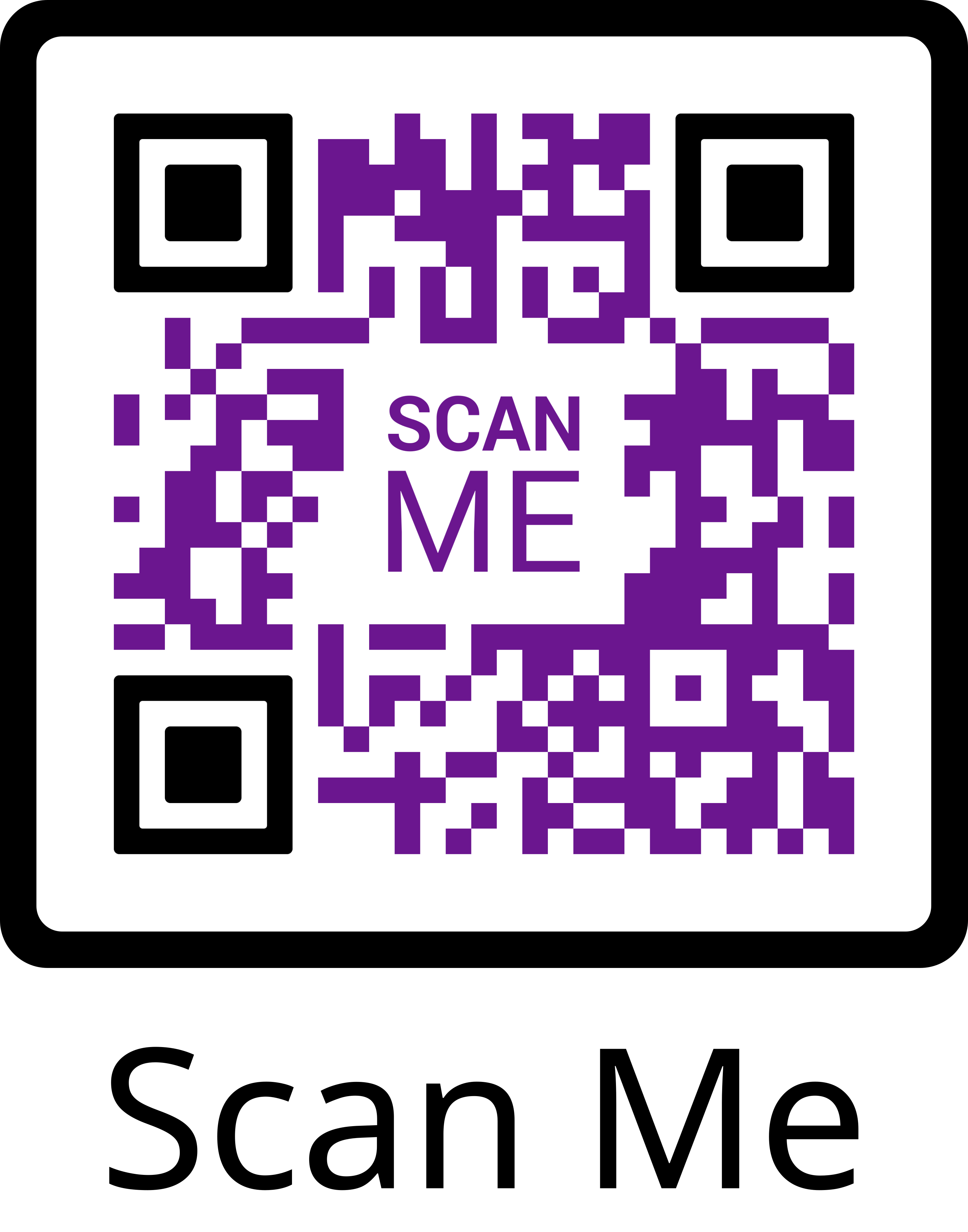
QR Code to Workflow
Workflow: liubovd.github.io/workshops